
Washington / Baltimore HIDTA Initiatives
Treatment
W/B HIDTA Treatment Initiatives
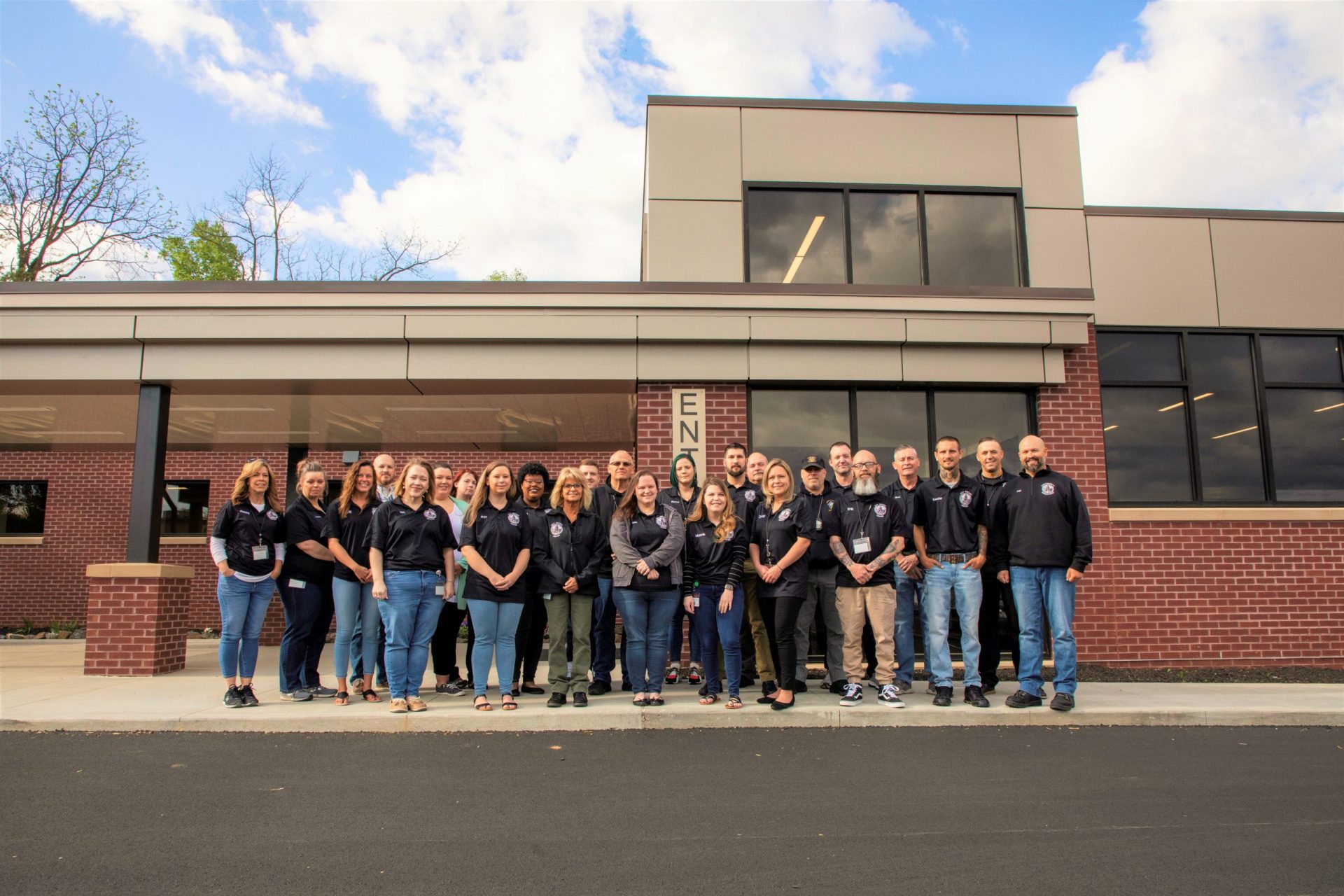
The W/B HIDTA funds treatment/criminal justice initiatives that provide integrated drug treatment services and criminal justice supervision for hard-core substance dependent offenders. Treatment initiatives must incorporate drug testing and graduated sanctions for all offenders. They must include an assessment of the individual’s drug use and criminal history, and placement in the appropriate level of service, such as out-patient, intensive out-patient, residential or after care.
Focus and Impact
2025 HIDTA Results:
The W/B HIDTA funded 11 substance use disorder treatment programs and treated a total of 3,212 adults clients and 196 youth clients. Of the adult clients, 777 clients successfully completed treatment, and 1,889 clients continued treatment in 2026.
57% of adult clients successfully completed treatment. This completion rate is 6% higher than what was reported by SAMHSA for this geographic region in 2019 (11% – 51% depending on location). Additionally, approximately half of U.S. states have treatment completion rates of less than 42%. On average, 81% of adult clients were connected to services for their social needs, and 32% were connected to additional resources.
All W/B HIDTA treatment/criminal justice initiatives are required to supply data on client performance to assist in evaluating the initiative. An independent evaluation is conducted annually by the Institute for Behavior and Health, Inc. The W/B HIDTA’s treatment/criminal justice Initiatives have consistently proved their effectiveness and have exceeded national performance averages for clients in this population.
Since the W/B HIDTA Program is a crime control program, its key measure is recidivism. The recidivism rates for all W/B HIDTA treatment initiatives have ranged between 28 percent and 42 percent, while the national average is 70 percent.
The evaluations support current research that demonstrates when treatment programs and criminal justice agencies collaborate, re-arrest rates, as well as drug use, are reduced. When programs include evidence-based principles, they are successful in treating substance dependent offenders.
W/B HIDTA Collaborates with the following agencies:
- Arlington County
- Baltimore City Circuit Court
- Behavioral Health Leadership Institute (BHLI)
- Behavioral Health Systems Baltimore (BHSB)
- Berkeley County CATALIST
- Berkeley County Community Corrections Adult
- Brooke’s House
- Fairfax Sheriff’s Office
- The Martinsburg Initiative
- Northern Shenandoah Substance Use Coalition
- Prince William Community Services Board
- Tuerk House
- Winchester Medical Center CATALIST